
Earth Nature Illustration

Search Steppes

Steppe-runner 🔍

A steppe runner is a type of animal that lives in arid, grass-covered areas such as steppes or deserts. They are characterized by their short legs and ability to run fast and efficiently through the sand-like ground. This lifestyle allows them to adapt well to harsh desert conditions while also allowing them to quickly move from place to place.
Titanoceros 🔍

Titanoceros is a genus of birds in the family Accipitridae, known for their distinctive black-and-white plumage and long necks. These birds are primarily found in Central Asia, particularly in the steppes and tundras. They are considered to be among the largest birds on land due to their size and strength.

Steppes 🔍

A steppes is a type of grassland that spans across central Asia, Europe, and parts of northern Africa. It's characterized by its flat terrain, high ground slopes, and extensive vegetation, often dominated by tall grasses like hay, clover, and meadow vetch. These plains are home to numerous species of birds, including migratory waterfowl such as geese and ducks, and can also support grazing for livestock.

Scythridinae 🔍

Scythidinae are a group of large, cold-blooded mammals that inhabit the steppes and steppe regions of Eurasia. These animals have a robust body structure with long limbs and powerful hind legs for hunting prey. They are known for their distinctive, elongated ears with small openings where they can hear sounds from miles away, allowing them to detect threats and locate food sources in the dark.

Steppe-cabbage 🔍

Steppe-cabbage is a type of cabbage that grows in the steppes, which are large flat areas located between mountains and rivers.

Tashtego 🔍

Tashtego is a type of tundra biome in the southern part of the Taurus Mountains, located in Kazakhstan and Russia. It consists of grasslands and steppes, with a high percentage of arable land.

Bufoniceps 🔍

Bufoniceps is a species of mammal found in Central Asia, primarily living on grasslands and steppes. It is known for its distinctive appearance and ability to adapt to various environments through its long neck and robust limbs. This species is important to study as it has been linked with the evolution of bipedalism and the development of walking skills.

World Map

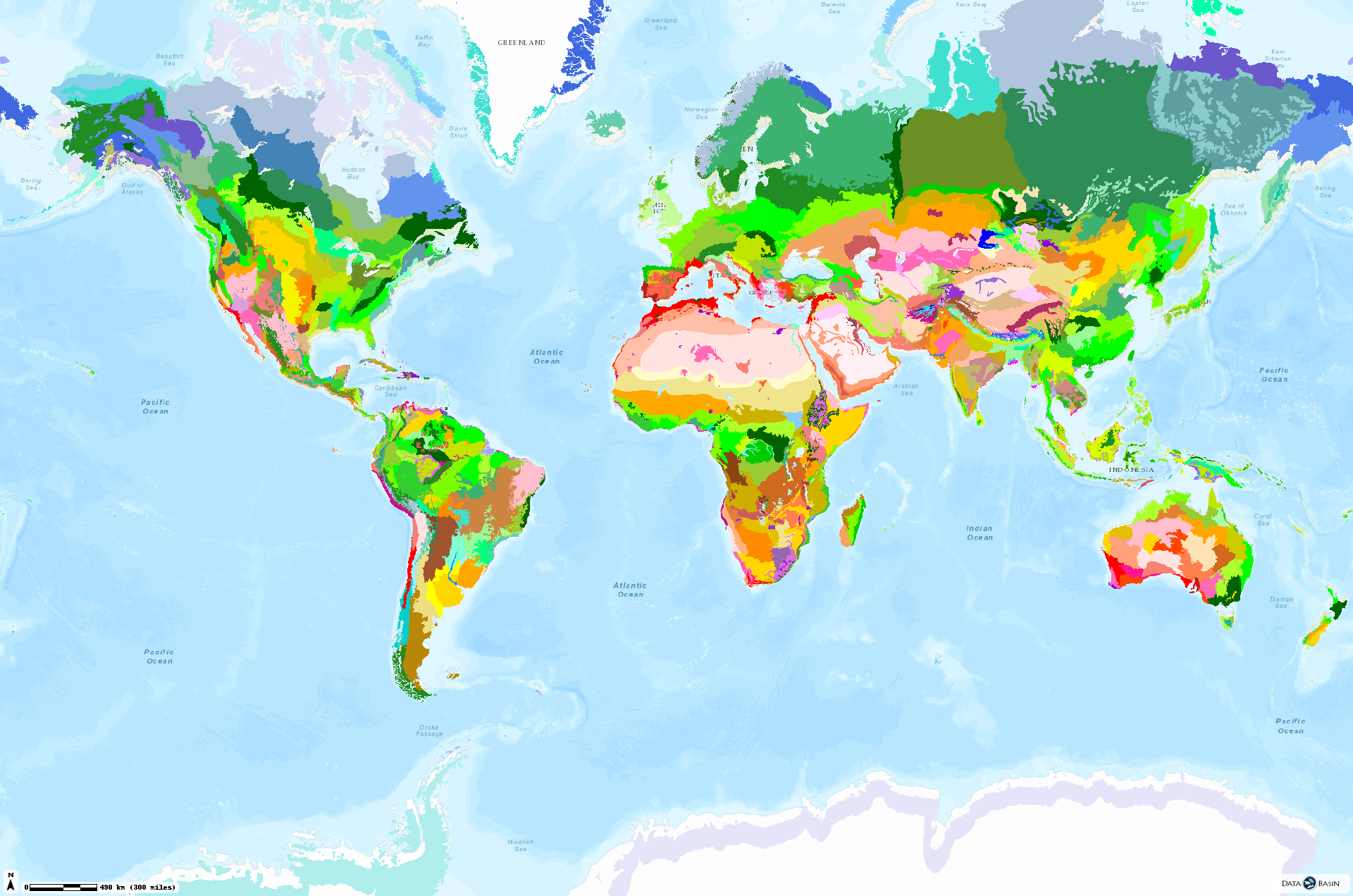
Explore biome locations globally — from Deserts to Tundra.