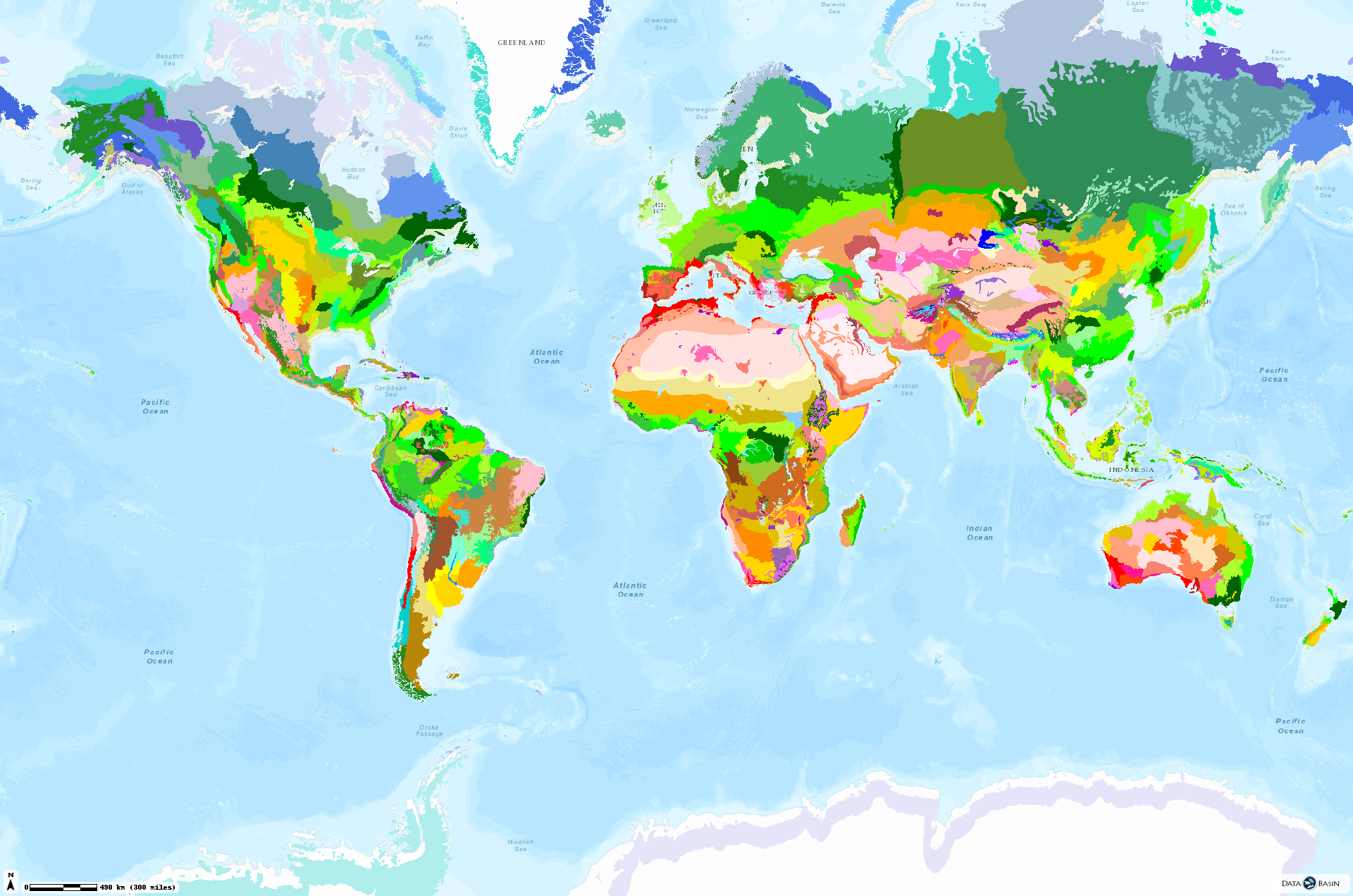
Amapa 🔍
The term "Amapa" is a Latin word that translates to "mountain" in English. It refers to a mountain range located in central Asia, particularly in the region of Mongolia and China.

The term "Amapa" is a Latin word that translates to "mountain" in English. It refers to a mountain range located in central Asia, particularly in the region of Mongolia and China.
Subhaida is a term in the Islamic concept of "subhan Allah," which translates to "God be with you." It is used in various religious and spiritual practices, such as prayer, fasting, and meditation.
Zakuro is a Japanese word that translates to "mysterious" in English.
Anatolikos is a Greek word that roughly translates to "fierce" in English, referring to a strong or aggressive personality. It can also refer to an animal, specifically a lion, which is a fierce and powerful animal.
Archaphidius is a genus of insects in the family Arachnida, which includes spiders and ticks. They are known for their long, slender bodies that can reach lengths up to 12 inches (30 cm) and have a distinctive black and white body coloration with five or six rows of pale brown spots on the abdomen. The genus is named after its common name, Archaphidius, which translates to "thistle" in English.
Dasycladales, also known as the "polar bear," is a type of mammal that inhabits polar regions and is characterized by its long, slender body with a thick coat of fur. The name "Dasycladales" comes from the German word "daschenbärtige," which translates to "long-furred."
The term "slate-throated" is a genus of birds in the family Passeriformes, which includes common pigeons, and includes the species Sturnus alba.
SMSV-8 stands for "Socioeconomic Mobility via Voluntary Service" in Latin, which can be translated as "Voluntary Social Mobility through Volunteer Service". This term refers to the process of people choosing to volunteer their time and skills towards causes that align with their values or interests. It is often seen as a way to contribute to social change and improve one's community or society.
'Maiestas' is a Latin phrase that translates to "most excellent" in English.
Tanyochraethes is a Welsh word that translates to "Giant's Leap" in English.
Bibulmena is a type of tree in the genus "Pterocarpus." It belongs to the family Pteridaceae, which includes over 100 species of flowering plants native to Asia and North America. The name "bibulmena" translates to "tree with a hollow trunk" in the local language.
Mizutaniaceae is a family of plants in the order Pteridiales, which includes about 75 genera and around 400 species. These plants are known for their unique root systems, which are adapted to capture water from groundwater or rainwater during dry seasons. The name "Mizutani" comes from the Japanese term, which translates as "mizukai," meaning "root."
Zelenkaia is a Russian word that translates to "Red Meat" in English. It describes the process by which red meat, typically from animals such as cows and pigs, is cooked or ground into flour and mixed with other ingredients to create a dish called "red meat." This preparation creates a rich flavor and color.
"Yue" is a term in Chinese that refers to the term "blue," often associated with the color blue, which is also used in other languages and cultures as well. It can be translated into English as "blue."
Wen is a Chinese word that translates to "dinner" in English. It typically refers to the final meal or the end of a meal, often accompanied by dishes like rice and vegetables.
"ckaisalla" is a Finnish word that translates to "chickens" in English, referring to the small, domesticated birds commonly raised for meat or eggs.
Sigmoicheirini is a Greek word that translates to "signified" or "symbolized" in English, referring to an object or concept that has been identified as having a specific significance or meaning. It can also be used metaphorically to describe something being understood through symbols or signs.
"Idarnotorymus" is a Russian term that translates to "unbelievable talent." It suggests someone with extraordinary abilities or talents, often associated with high level of skill and performance.
Twarogvirinae is a term describing a group of ancient creatures believed to have lived in the Amazon basin, known for their distinctive, long-tailed, and slender bodies. These creatures are often referred to as "twarogvirs," which translates to "long-tailed giants" or "great giants."
Slate-crowned plants have a crown that is covered with small, flat seeds.
Catolesia is a Latin word that roughly translates to "civic assembly" or "legislative body." It refers to a group of citizens who are elected, appointed, or appointed by their local governing bodies to represent the interests and rights of the community at large. This term is often used in contexts where a group of individuals represents the will of the people or concerns specific issues that affect the entire community.
"Congzhengia" is a Chinese word that translates to "butterfly" in English.
The term "canthecona" is a word in Sanskrit, which translates to "butterfly" in English.
The term "Costitxiia" is a Latin phrase that roughly translates to "state of constitutions." It refers to the principle that states are sovereign entities with inherent rights and responsibilities, including sovereignty over their territory and internal affairs. These principles are central to many aspects of governance and law in various countries around the world.
G Laridodon is a genus of theropod dinosaur that lived during the Late Cretaceous period, approximately 68-63 million years ago. It was part of the family Tyrannosauroididae and was known for its large size and robust build, with an adult measuring up to 45 feet in length. The species is named after the Greek word "glaridon," which translates as "giant" or "large."