
Earth Nature Illustration

Search Rhabditinae

Rhabditinae πŸ”

Rhabditinae, also known as the nematode family, are a large group of nematodes that include the common snail (Nematoda) and the soil-dwelling nematodes such as the earthworm (Hymenoptera). These animals play crucial roles in ecological interactions by helping to control pests and decomposing organic matter.
Mesorhabditinae πŸ”

Mesorhabditinae are a group of fungi that belong to the order Mesorhizobacteria, which includes a diverse range of bacteria and yeasts. These bacteria are characterized by their ability to grow on a variety of substrates such as wood, soil, and even animal feces. The genus name "Mesorhabditus" is derived from the Greek word "mΓͺsor," meaning "soil," while the specific name "Dipterae" comes from

Protorhabditinae πŸ”

Protorhabditinae is a group of bacteria that includes the "protor" species, which are known for their ability to produce sulfur compounds. These bacteria have a unique ability to convert atmospheric sulfur dioxide into sulfuric acid, contributing to the Earth's sulfur cycle and ecosystem health.

World Map

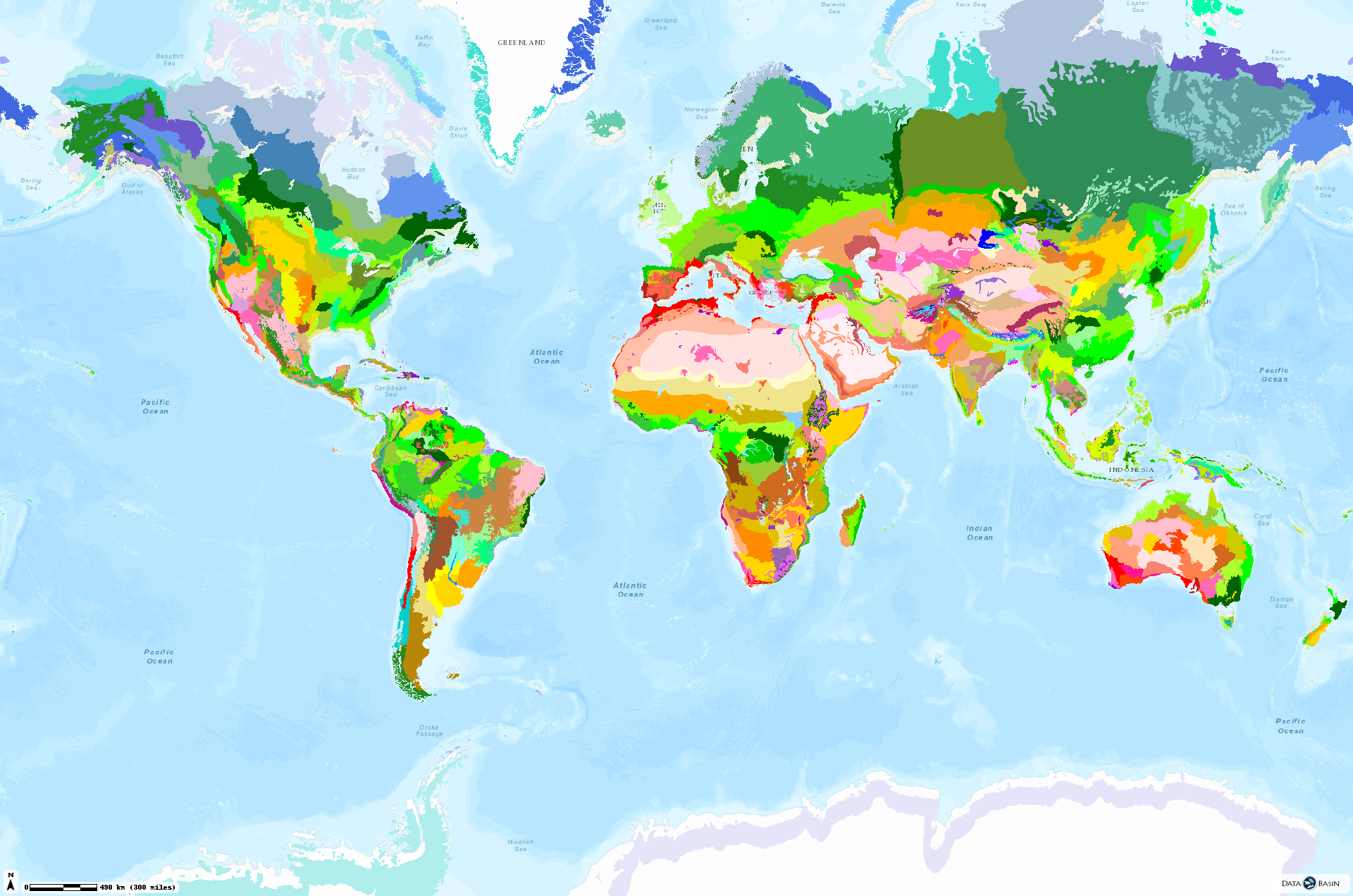
Explore biome locations globally β€” from Deserts to Tundra.