
Earth Nature Illustration

TEK Maze Search of Ornithischia

Dermatodon 🔍

Dermatodon is a genus of dinosaurs that lived during the Late Cretaceous period, about 68 million years ago. It was part of a group called the Ornithischia, which also included other dinosaurs such as Triceratops and Giganotosaurus. The term "dermatodon" likely refers to the skin or body surface of these prehistoric creatures, which is why it's often used in the context of dinosaur anatomy.
Ornithischia 🔍

Ornithischia is a classification system in biology that categorizes animals into two main groups: passerine birds and other birds. These include the common bird family, which includes such species as pigeons, sparrows, and finches; and the ruffed grouse family, which includes such species as opossums, ground squirrels, and raccoons.

Araeosternus 🔍

Araeosternus is a genus of dinosaurs that lived during the Late Cretaceous period, around 65 to 58 million years ago. This group was characterized by its elongated body shape and long necks, which allowed for powerful hunting capabilities. Some examples of members of this group include the tyrannosauroids, such as Tyrannosaurus rex, and the ornithischians, like the allosauroid dinosaurs, such as Allosaurus and

Megalotylidae 🔍

Megalotylidae is a family of extinct theropod dinosaurs that lived during the late Cretaceous period, about 68-59 million years ago. These dinosaurs were part of the ornithischian group and are known for their long necks, powerful jaws, and large brains. Megalotylidae included two main genera: Megalotyrannus and Megasuchtheron. They were primarily herbivores but also had some carnivorous

Oreellidae 🔍

The term "Oreellidae" is a genus in the family Ornithischia, which includes birds and other small mammals.

Aplodontidae 🔍

Aploidea is a class of extinct vertebrates that lived during the Late Cretaceous period, approximately 68-75 million years ago (mya). These birds are known for their distinctive apothecial markings and were part of the Ornithischia family. The term "aplastodont" refers to the appearance of these apothecial marks on their bodies, often resembling the teeth or jaws of modern birds.

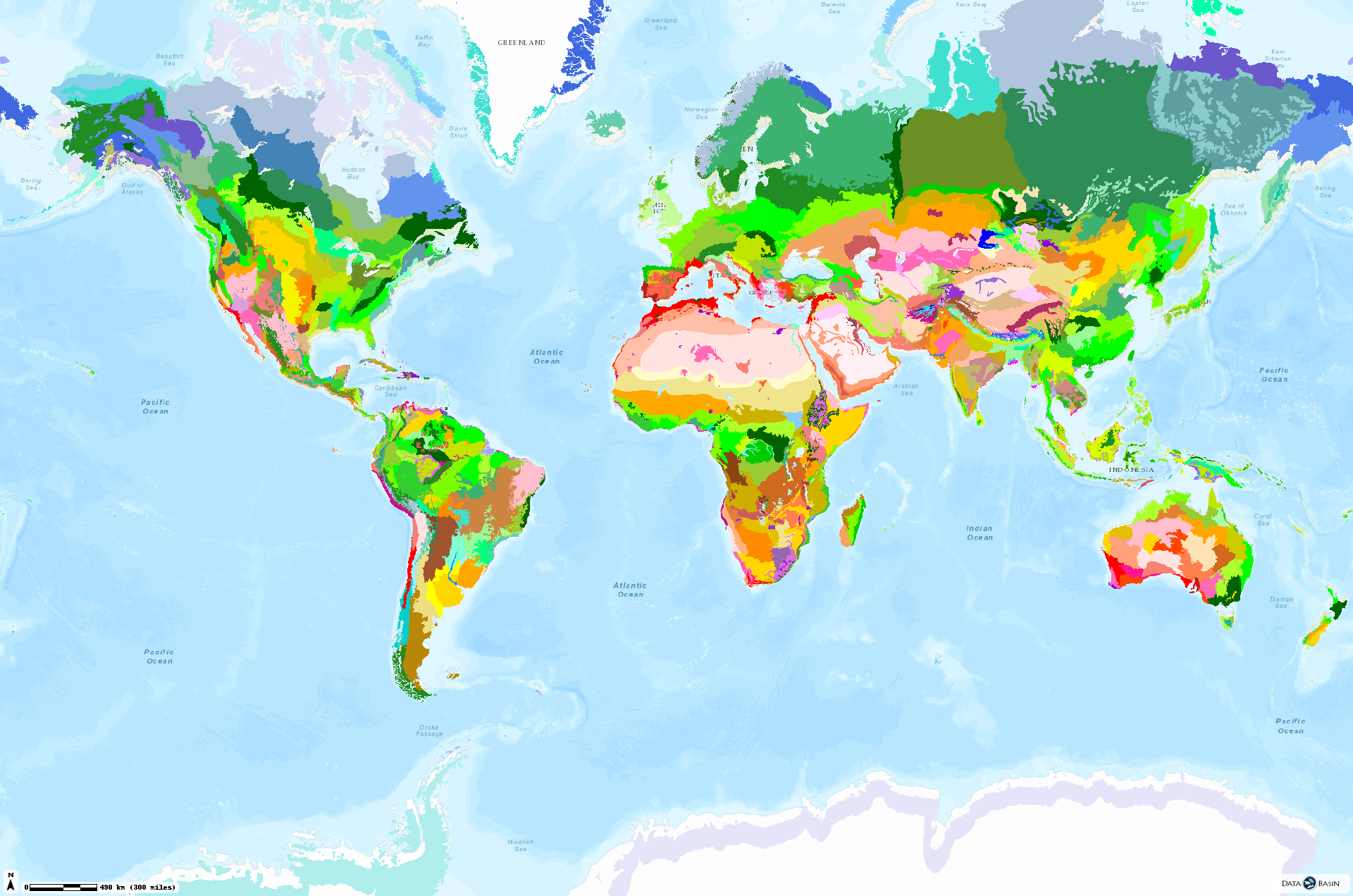
World Map

Explore biome locations globally — from Deserts to Tundra.