Earth Nature Illustration

Search Hydrobacter

Enhydrobacter 🔍

Enhydrobacter is a type of bacteria that lives in aquatic environments, specifically freshwater bodies like lakes, rivers, and streams. These bacteria are known for their ability to grow rapidly under conditions of high nutrient availability and low oxygen levels, making them crucial for maintaining water quality and supporting aquatic life. Enhydrobacter can be found in various types of aquatic ecosystems, including wetland and estuarine environments where they play a significant role in nutrient cycling.
Natronohydrobacter 🔍

Natronohydrobacter is a bacterium that produces hydrogen ions through the process of hydrolysis, utilizing the natural environment of sodium and water.

Hydrobacter 🔍

Hydrobacter is a genus of bacteria that belong to the family Prochlorobacteria, commonly known as blue-green algae. They are characterized by their ability to use photosynthesis for energy production, making them crucial in aquatic ecosystems. Some examples include: 1. **Blue-green Algae**: Hydrobacter species are responsible for producing a variety of colors and patterns on the ocean floor, including the famous "Spiral Wave" pattern. 2. **Kelp**: In many regions around

'natronohydrobacter' 🔍

Natural hydrobacteria, also known as anaerobic bacteria, are characterized by their inability to use oxygen for cellular respiration and instead rely on other non-enzymatic pathways to generate energy. These microorganisms are found in environments with low oxygen levels or where the temperature is too high or too cold, such as deep-sea hydrothermal vents, in extreme environments like deserts or saline zones, or in aquatic environments where water is not oxygenated.

Hydrobatinae 🔍

The term "hydrobatinae" is a genus within the family Hydrobacteriaceae, which belongs to the order Hydrobiota. This group includes bacteria that are primarily responsible for hydrothermal activity on Earth's surface and in oceans. They play vital roles in the formation of carbon-rich sediments and other organic matter, contributing to the Earth's water cycle.

'natronohydrobacter 🔍

A bacterium that produces hydrogen ions through a process called natronation, releasing nitrogen gas as a byproduct.

World Map

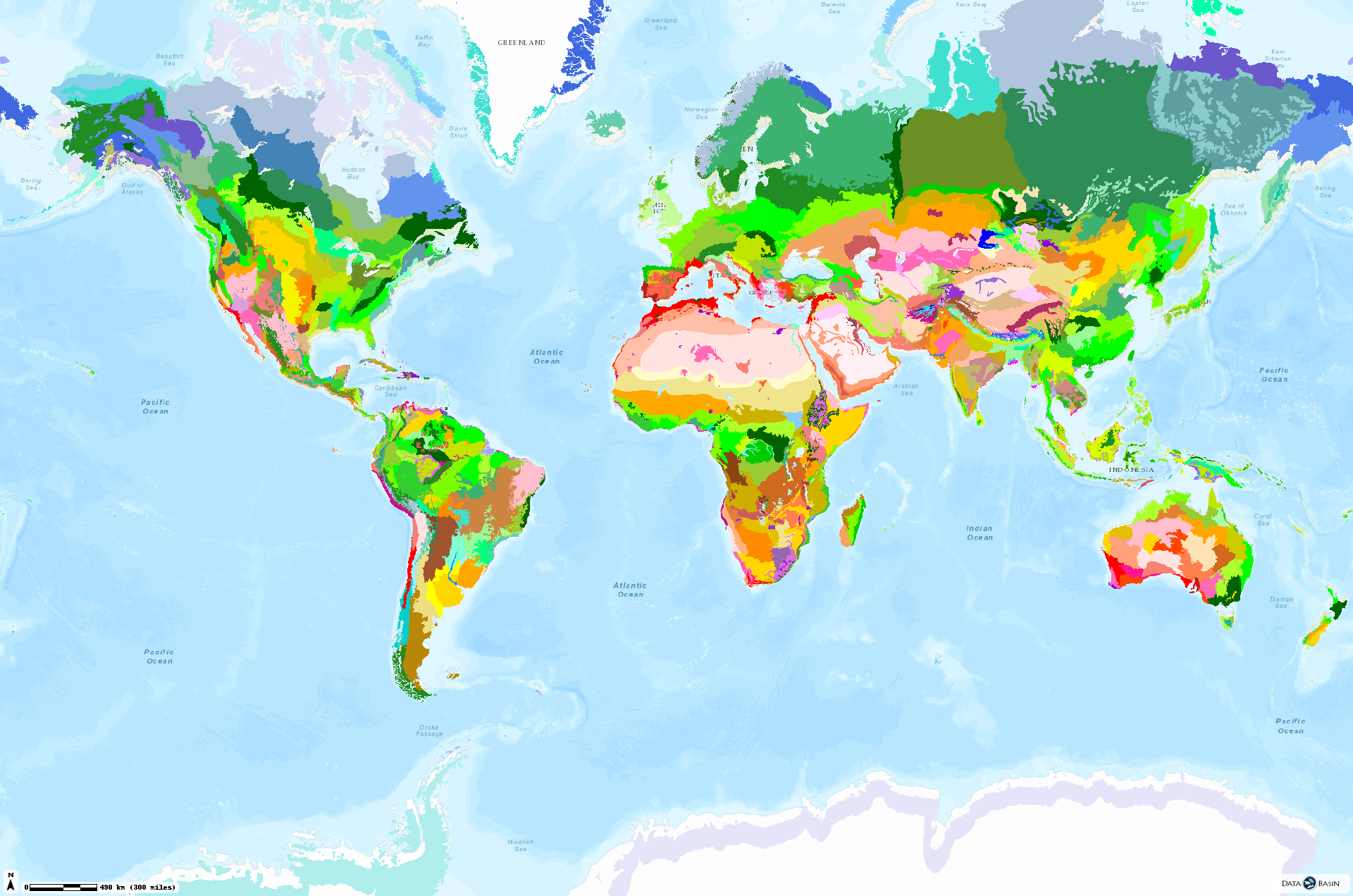
Explore biome locations globally — from Deserts to Tundra.