
Earth Nature Illustration

TEK Maze Search of Chthamalus

Chinochthamalus 🔍

Chinochthamalus is a genus of freshwater snail, commonly known as the chinochthamalus snail or the chinochthamalus worm. These creatures are terrestrial gastropods and are part of the family Chinosporidae. They have a wide range of sizes from the small-sized "Chinochthamalus" to the large-sized "Chinochthamalus subterraneus".
Notochthamalus 🔍

A type of chitin-producing crustacean, commonly found in the marine realm, primarily inhabiting tropical regions and forming a protective layer on their shells, which is known for its unique properties, including being highly resistant to heat and light.

Nesochthamalus 🔍

Nesochthamalus is a type of fish that has two sets of eyes, called a mesothorax and an ocellus. These structures are found on the sides of the head where they come together to form the mouth. This unique anatomy allows for more complex behaviors and adaptations in fish like the ones we see in the aquarium hobby.

Chthamalus 🔍

Chthamalus is a genus of marine gastropod mollusks in the family Chthamidae, which includes only one species, the chthamalid. They are known for their brightly colored and often intricately sculptured shells that resemble large fish like swordfish.

Chthamalidae 🔍

Chthamalidae are a group of small, marine fish that belong to the family Chthamalidae, which also includes the genus Chthamalus and the species Chthamus. These fish have a wide range of sizes ranging from tiny shrimp-like creatures to larger bony fish such as chimaeras and manta rays. They are known for their adaptations to aquatic life, including their ability to change color or camouflage in different habitats.

Tetrachthamalus 🔍

Tetrachthamalus is a disease characterized by the presence of multiple, often distinct, and interconnected tetrads in the heart muscle cells. This condition typically affects adult fish, specifically those that have undergone an adult chondrichthyroid surgery or other medical procedure. The disease can lead to symptoms such as swelling, pain, difficulty breathing, and abnormal heart rhythms. Treatment options for this condition may include surgical intervention, medication, or a combination of both to manage the disease progression and improve

World Map

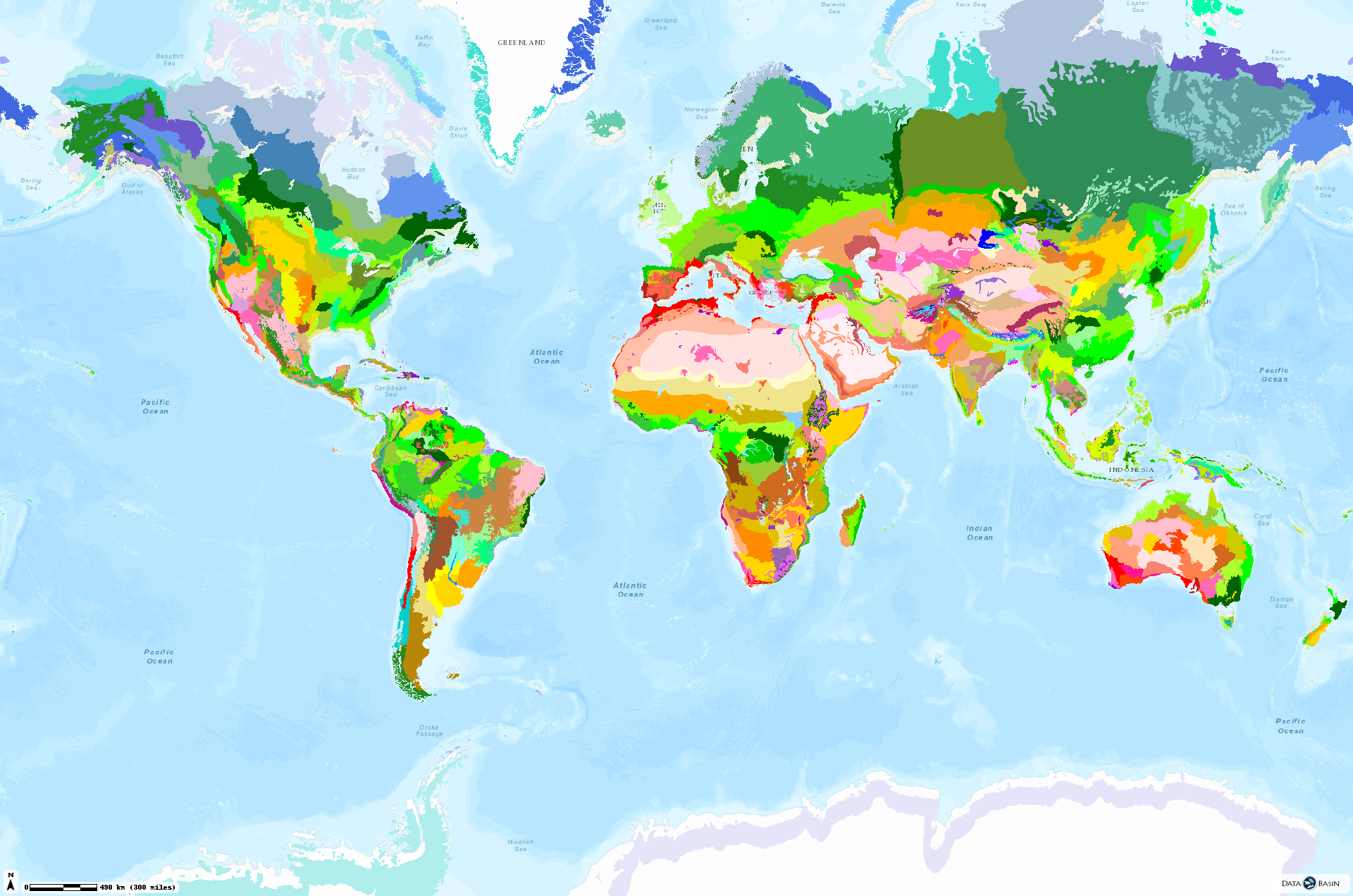
Explore biome locations globally — from Deserts to Tundra.