
Earth Nature Illustration

Search Catalpa

Pseudocatalpa 🔍

Pseudocatalpa is a type of algae that can be used in the production of biofuels, particularly ethanol and biodiesel from agricultural waste. These microorganisms produce enzymes that break down complex chemical compounds into simpler ones, which are then converted into energy through fermentation processes. Pseudocatalps typically have small cell walls and can grow on surfaces where other organisms cannot, making them ideal for industrial applications.
Catalpa 🔍

Catalpa is a genus of flowering plants in the family Fabaceae, commonly known as the Japanese Maple or Japanese Willow. These plants are native to Japan and can grow up to 40 feet tall. The leaves are usually simple, with each leaf having five lobes. The flowers are small and white, often arranged on the stem or branches, and produce sweet-smelling flowers in spring.

Macrocatalpa 🔍

Macrocatalpas are small, highly specialized plants that can catalyze chemical reactions by absorbing a large amount of energy from an external source and utilizing it to produce a desired product. These plants have been used in various industries for producing fuel, biofuels, and other chemicals.

'catalpa 🔍

Catalpa is a genus of about 65 species of trees in the family Rutaceae, native to temperate regions around the world.

World Map

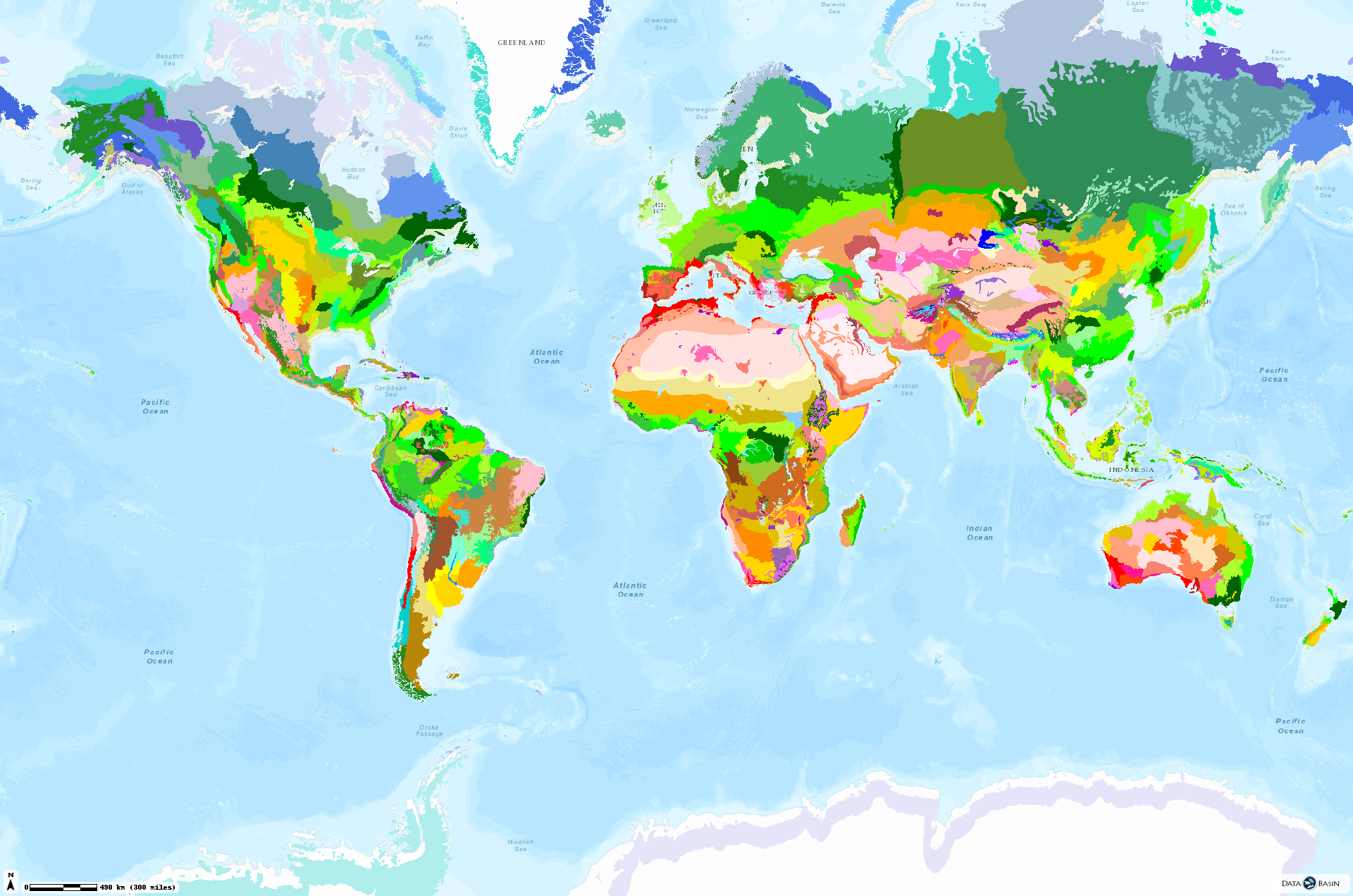
Explore biome locations globally — from Deserts to Tundra.