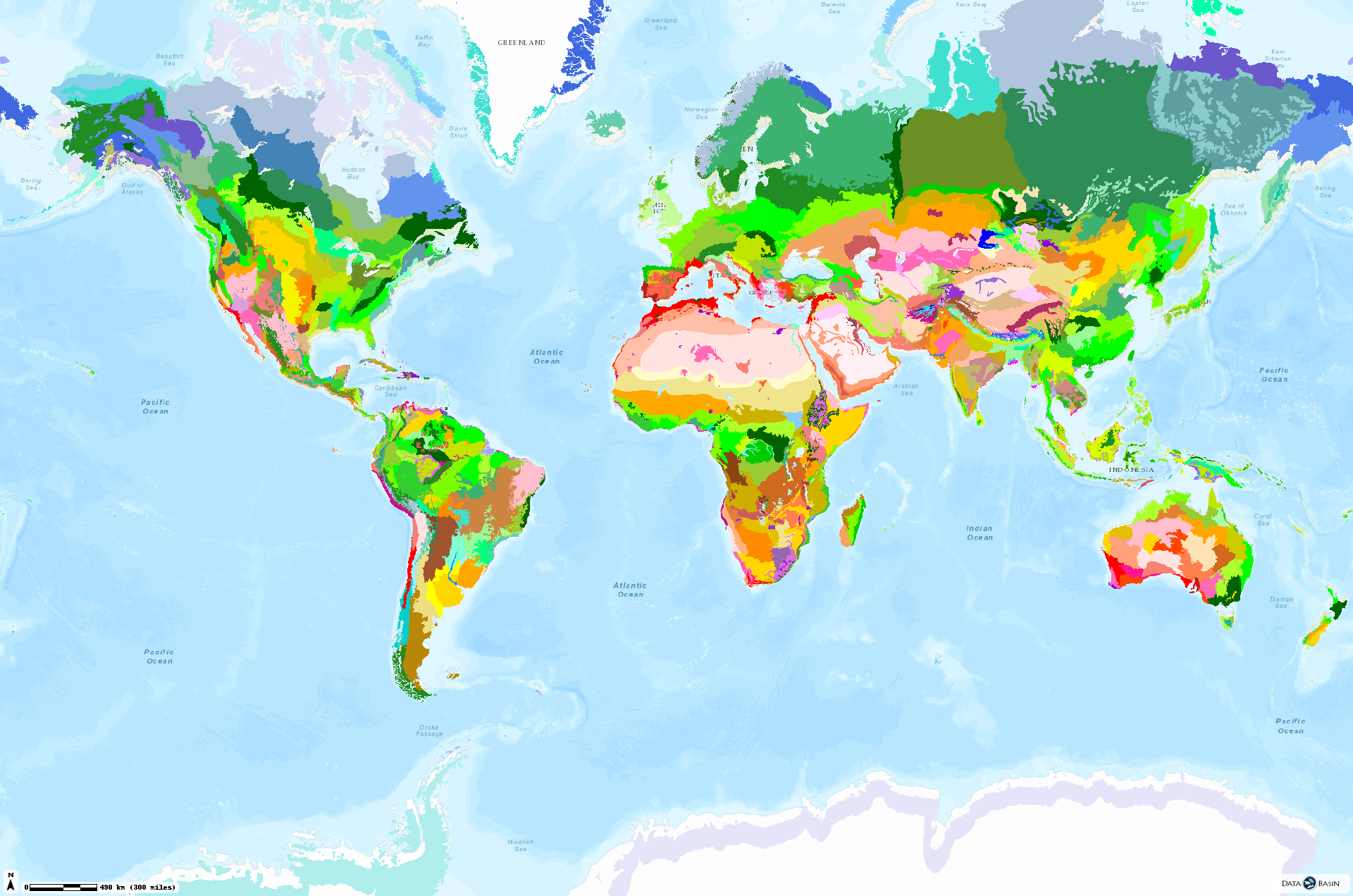
Berber is a group of plants in the family Asteraceae, commonly known for their vibrant yellow flowers and long, slender stem that can grow up to 4 meters tall. These plants are native to North Africa, particularly Morocco, Algeria, and Tunisia, where they have adapted to various climates with diverse soil types. Berbers are also found in South Africa, where they are part of the grassland ecosystem alongside other herbaceous plants.
Berberidales is a group of plants belonging to the family Asteraceae, which includes various species from Africa and Asia. These plants are known for their distinctive flowers with numerous petals, often resembling the leaves of certain plant species. They typically produce seeds that are dispersed by birds or wind, contributing to pollination and seed dispersal within their range.
Ayapana is a term in the Wolof language, which is spoken in Senegal and Senegal, and it has its origin from the Berber dialect of Moroccan culture. It describes the movement of water from one area to another, often through rivers or lakes. The term "ayapana" refers to the process of flowing or moving water.
Alloberberis is a genus of flowering plants in the family Asteraceae, native to Asia and Africa. It comprises several species known for their colorful flowers, including the popular "Bouquet of Flowers" variety, which is often used as a decorative flower arrangement.
Crimean-Congo refers to a region in Africa, particularly in the Middle East, where ancient cultures including the Berbers and the Cro-Magnons lived together for centuries before their separation by the British Empire in 1853. This period is often referred to as the "Crusades," which began with the invasion of the Crusaders by the Ottoman Empire under Sultan Mehmed II in 1204.
Berberinae is a genus of bacteria in the family Bacteroidetes, which belongs to the order Bacillariomycetes. It includes a diverse group of bacteria that are found in soil, water, and other environments around the world. Some species within this genus have been identified as important food sources for some microorganisms, particularly those that can survive in the harsh conditions of saline soils.
Berberinae is also known for its unique characteristics, including the ability to grow on
Berberideae is a family of flowering plants in the genus "Cyperus," which includes several genera, including "Cyperus" (the common cypress) and "Cyperus" (the common pea). These plants have large, narrow leaves with a rounded shape and are typically found in moist, sunny areas. Berberideae is also known for its large, often purple flowers that bloom in the spring.
Beridinae is a group of plants that belong to the family Asteraceae. These plants are known for their distinctive white flowers, which are often used in perfumes and cosmetics due to their pleasant fragrance. They can also be found in nature as wildflowers or cultivated plant species. Beridinae includes several genera such as Berberis, which is commonly grown for its green foliage, and Berdantia, which produces yellow flowers that are known for their beauty.
Berberia is a type of plant in the family Asteraceae, commonly known as the chrysanthemum or rose. It belongs to the genus "Chrysanthemum" and has several species, including the famous rose that is widely recognized for its beauty and fragrance. Berberia flowers are often used in various decorations and aromatherapy applications due to their unique characteristics and fragrances.
Berberis is a genus of flowering plants in the family Rosaceae, native to North Africa and the Middle East. It includes several species with edible fruit, including berbere (a type of apple), as well as a number of shrubs, trees, and small bushes. Berberis are known for their strong, flavorful fruits and are often used in cooking, baking, and tea-making.
Voanioala is a term in the Wolof language, which is spoken in Senegal and has its roots in the Berber languages. It translates to "little bird" or "little animal" in English. In Wolof, it is used to describe animals that are small but not very large, such as ants, scorpions, or insects.
Ghazal is a type of Arabic poetry that originated in India and spread throughout the Middle East, especially among the Berbers of North Africa. It is characterized by its use of rhyming couplets to create a melodic and lyrical style. The most famous ghazal is "Rahat-e-Rahat" by Rabindranath Tagore, which is considered one of the greatest works in the genre.
The term "Berberentulus" is not clearly defined or recognized within the English language, but it can be considered a specific genus in biology. In this context, it could potentially refer to a taxonomic classification of plants that belong to a family known as the Berberaceae, which includes various species commonly known as "berbers."
The term "Berberentomidae" is a family of insects that includes several genera and species, primarily characterized by their unique structures in the head and thorax. These animals are often found in the tropical rainforests of Africa and Southeast Asia, where they play an important role in pollination of flowering plants.
The term "Berberidopsidales" refers to a group of plants belonging to the family Berberidaceae, which includes various species from the genus Berberis. These plants are known for their distinctive leaves and flowers that vary widely in color, texture, and shape. Some key characteristics of the Berberidopsidales include their large leaves that are adapted to filter water, their ability to produce seeds, and their use in traditional medicinal practices.
Banza is a genus of flowering plants in the family Berberidaceae, native to Africa and Asia. They are known for their large, brightly colored flowers that bloom from June to September and produce seeds.
Berberidoideae is a family of flowering plants in the order Apiaceae, characterized by their distinctive white flowers and their ability to produce a variety of edible fruits, including berbersines (a type of citrus fruit).
Senegal is a country in West Africa, with its capital located in Dakar. It is known for its diverse landscapes, including mountains, forests, and beaches. The language spoken in Senegal is Wolof, which is derived from the Berber language.
Berberigetta is a type of fish commonly found in the Mediterranean Sea, specifically in Italy. It is known for its unique appearance and characteristics, including its large size, white scales, and distinctive markings on its body. This species is highly valued by the Italian fishing industry due to its high value in the market and its culinary use, as it is often used in traditional Italian cuisine.
Sangassou is a term used in the Wolof language, a Berber language spoken primarily in Senegal and Mauritania. It is commonly used to refer to a person who has been infected with a serious viral or bacterial infection.
Marivariicella is a term from the Wolof language, which is spoken in Senegal and has its roots in the Berber language. It refers to a type of plant that grows on the coast, such as mangrove trees or coconut palms, and it's often used in the context of coastal ecosystems.
Eirunepe is a term in the Wolof language, which is a Berber language native to Senegal and Mauritania. It is used for a variety of purposes, including describing plants, animals, and other creatures.
Berberodes is a type of flowering plant in the family Asteraceae, native to Africa and parts of Asia. They are known for their distinctive leaves with pointed tips that are often used as ornamental plants or in culinary dishes.
"Myrmapana" is a term in the Wolof language, which is a Berber language primarily spoken in Senegal and Mauritania. It means "the land of my ancestors." The term refers to the historical period when the region known as Mekong Delta was part of the Kingdom of Siam (now Thailand), and later on, it became an independent country.
Berberidopsidaceae is a family of flowering plants in the genus "Berberidopsidaceae." This family includes over 500 species that are native to Morocco, Algeria, Tunisia, and other parts of North Africa. The genus contains various genera, including Berberidopsidae, which include many known species, such as the Berberis genus. These plants have a long, slender stem with multiple leaflets, and they produce flowers in clusters or