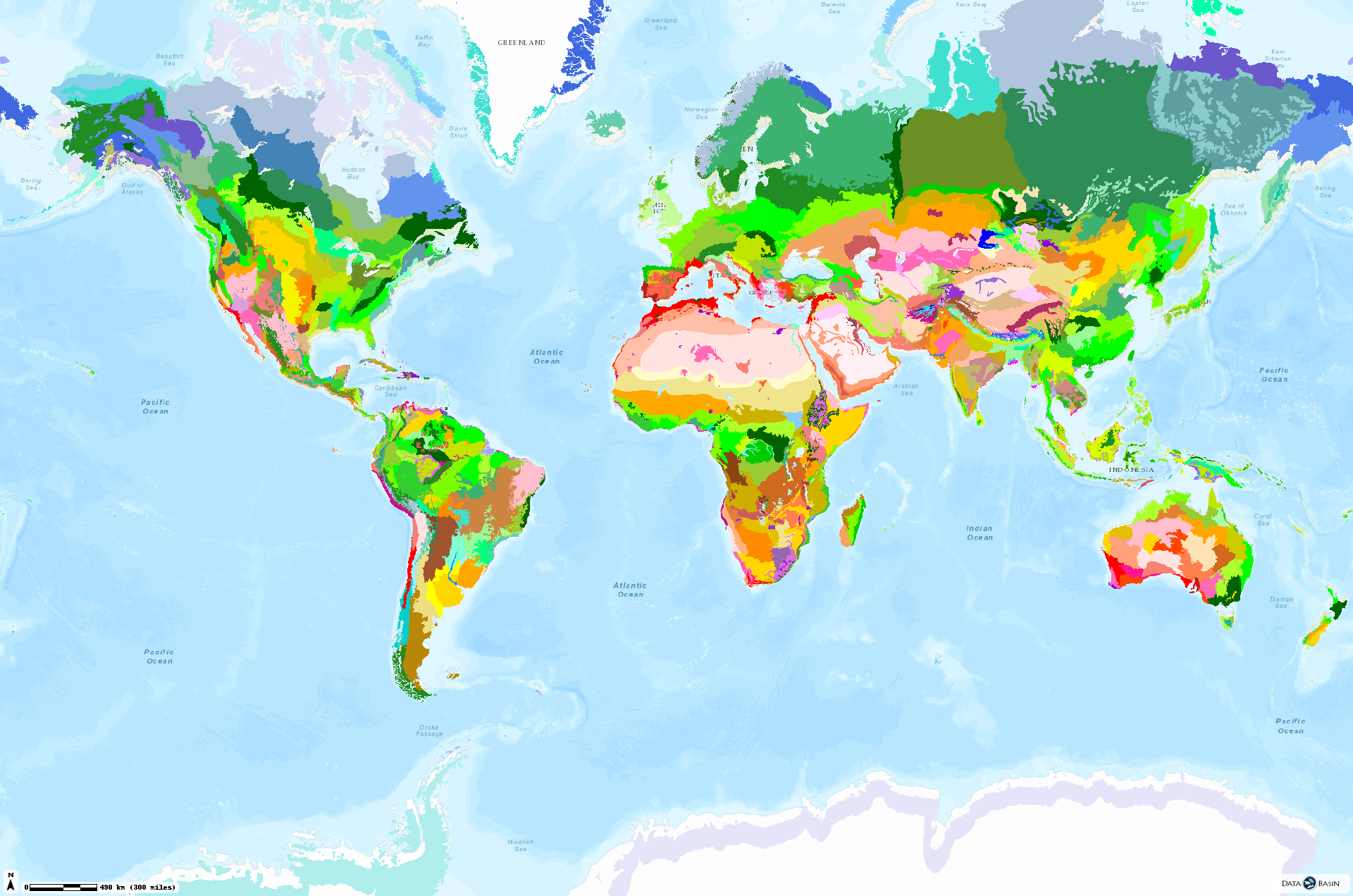
Thelairaporia 🔍
Thelairaporia is a type of plant that grows in a shallow, open environment, typically found in tropical regions, and is characterized by its large, sprawling leaves that are often covered with thorns or spines.

Thelairaporia is a type of plant that grows in a shallow, open environment, typically found in tropical regions, and is characterized by its large, sprawling leaves that are often covered with thorns or spines.
Mimaporia is a term used in the field of biogeography, referring to the relationship between different species within a single ecological niche or habitat. It encompasses relationships such as cohabitation, competition, and migration.
A porafia, also known as a porfalo or porophy, is a type of interstellar anomaly where two stars are separated by a gap in their orbit. It can occur due to gravitational disturbances or by collisions between two stars that are already close together. The term "poria" refers to the space between the two stars.
The term "aporia" is a genus in the class Annelida, which includes a wide variety of crustacean and mollusc species. These animals are characterized by their elongated bodies (called antrals) that can be either closed or open, with a hard exoskeleton made of soft tissues and plates. Aporia organisms are found throughout the world and range from freshwater to marine environments.
Caporiacoius is a genus of flowering plants in the family Ranunculaceae, commonly known as the crape myrtle or common peony. They are native to North America and have been cultivated for centuries due to their beauty and fragrance.
Metaporia is a concept in psychology that describes how individuals perceive their own mental states, often referred to as subjective experience or self-perception. This field explores how our minds interpret and understand ourselves, including thoughts, feelings, behaviors, and relationships, rather than just observable evidence. It can be used in fields such as neuroscience, sociology, and clinical psychology to explore the complex interplay between perception, cognition, and identity.