
Earth Nature Illustration

Search Aphanes

Agastophanes 🔍

Agastaphanes is a genus of fungi that belongs to the family Ascomycetes, commonly known as yeast. They are found in various environments and can grow on a wide variety of surfaces, including wood, soil, and even human skin. Agastaphanids are important for their role in the fermentation process, which involves converting sugars into alcohol or other chemicals.
Aphanes 🔍

Aphanes is a type of plant that lacks flowers, typically due to genetic abnormalities or developmental defects. These plants are often characterized by their lack of petals and stamens, as well as their lack of reproductive organs like seeds or fruits. In some species, they may also lack leaves, stems, or roots. Aphanes can be found in a variety of habitats such as woodlands, deserts, or rocky terrains, where they are adapted to survive with little light and limited

Aphanesthes 🔍

Aphex, also known as anaphase, is a stage in the cell cycle where DNA replication occurs at the metaphase plate, resulting in the separation of homologous chromosomes into separate daughter cells. This process is crucial for genetic information transfer and cell division, ensuring that each cell receives its own unique set of genetic material from its parent cell.

Aulosaphanes 🔍

Aulophani's a type of tree in the family Aulosapiaceae, commonly known for its distinctive white flowers and large leaves.

Diaphanes 🔍

Diaphaneous is a term referring to an organism that has translucent skin, typically found in aquatic or marine life. It's characterized by its ability to change color and texture according to environmental conditions, allowing it to blend into its surroundings. This property plays a vital role in the survival of aquatic organisms, as it allows them to adapt to their environment and survive during times of rapid changes.

Rhodaphanes 🔍

Rhodaphanes is a type of flowering plant that typically grows in temperate climates, often found in regions with high soil moisture and low temperatures. It has distinctive red flowers and is known for its ability to attract bees, butterflies, and other pollinators.

Paraphanes 🔍

Paraphenes are organic compounds that contain two carbon atoms and can be produced through the condensation or hydrolysis of other molecules, including carboxylic acids. They have a wide range of applications in various fields such as medicine, food science, and environmental chemistry.

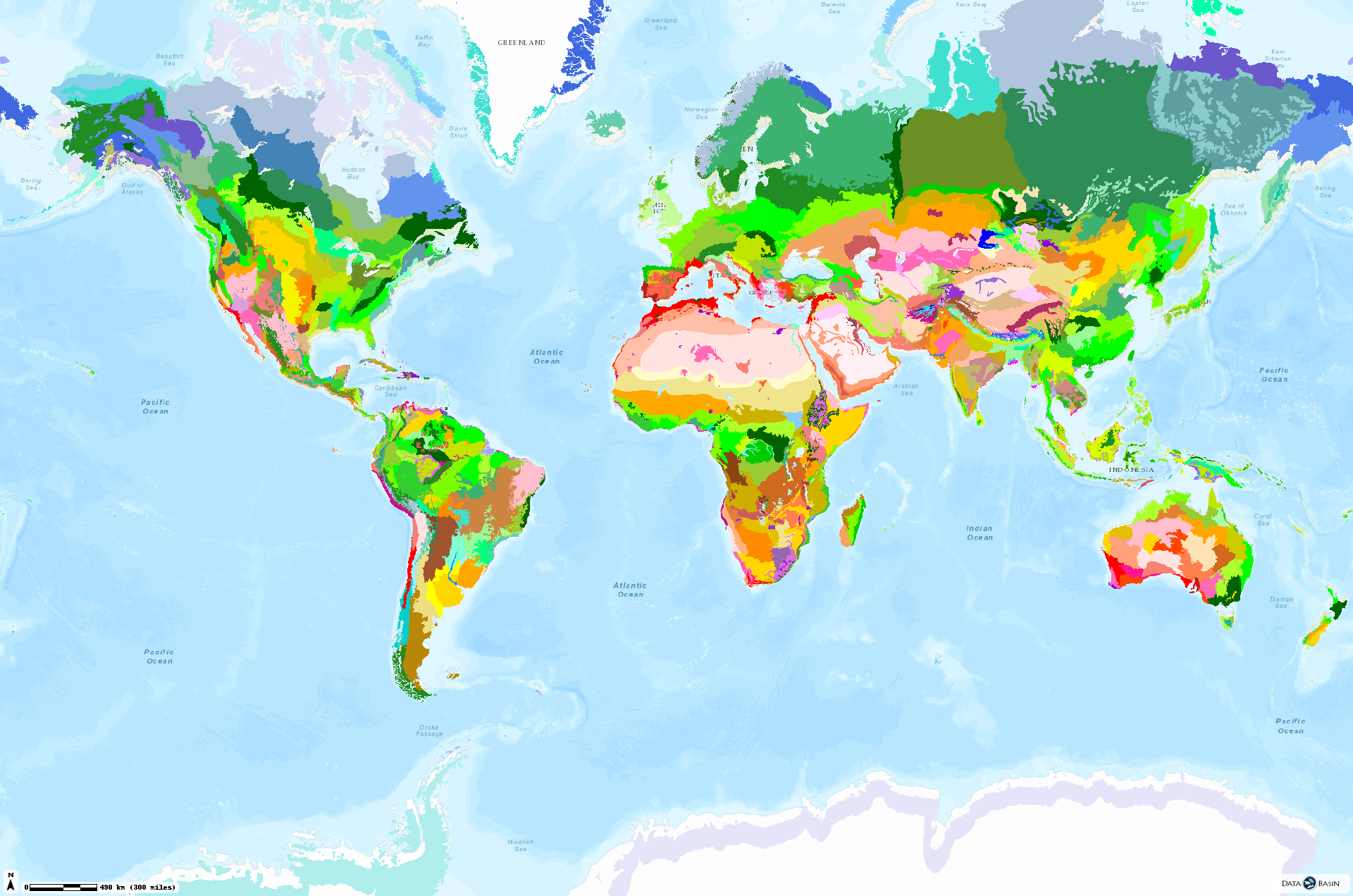
World Map

Explore biome locations globally — from Deserts to Tundra.